

The Walk for Peace Reaches Its Final Steps
When Buddhist monks arrived in Washington, D.C., completing their Walk For Peace, the significance of the moment was tied less to ceremony and more to the journey itself.
The pilgrimage spanned more than 2,300 miles on footover the course of roughly 100 days. Beginning in Fort Worth, Texas, the walk carried the monks through multiple states before concluding in the nation’s capital, according to the reporting from NPR. Their mission throughout remained consistent: to promote compassion, mindfulness, and peace through physical movement across communities.
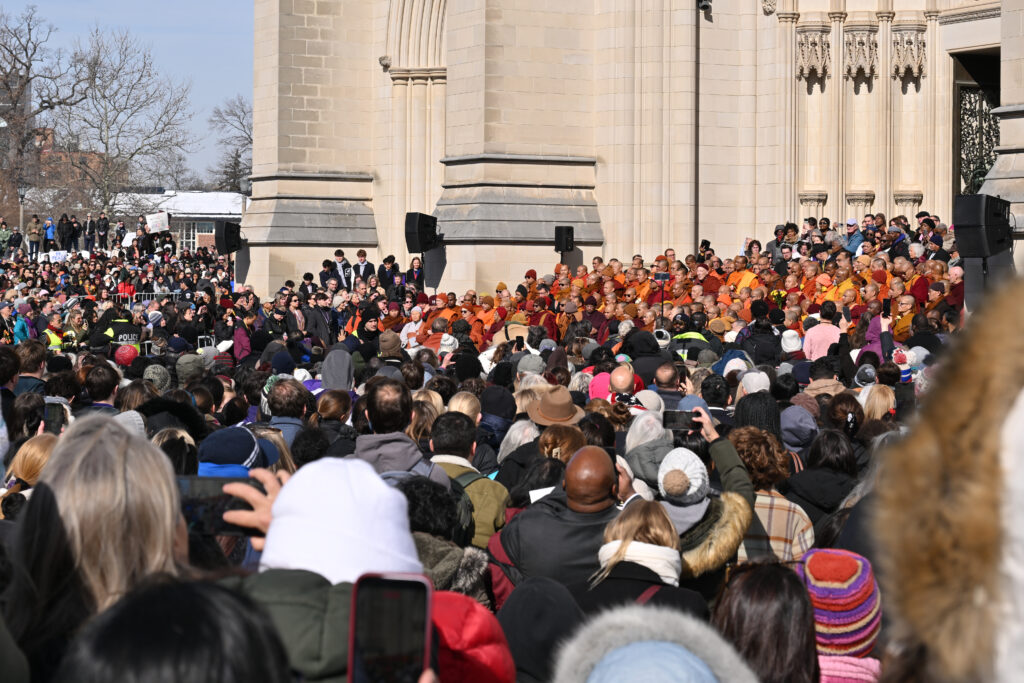
Crowds gathered along the final stretch into Washington, D.C. Some had followed the journey for weeks and joined for the closing miles. Others stood along sidewalks and gathering points, observing quietly as the monks entered the city. It wasn’t framed as a protest or a political demonstration; it functioned more as a spiritual outreach placed into public space.
The Walk for Peace Across America
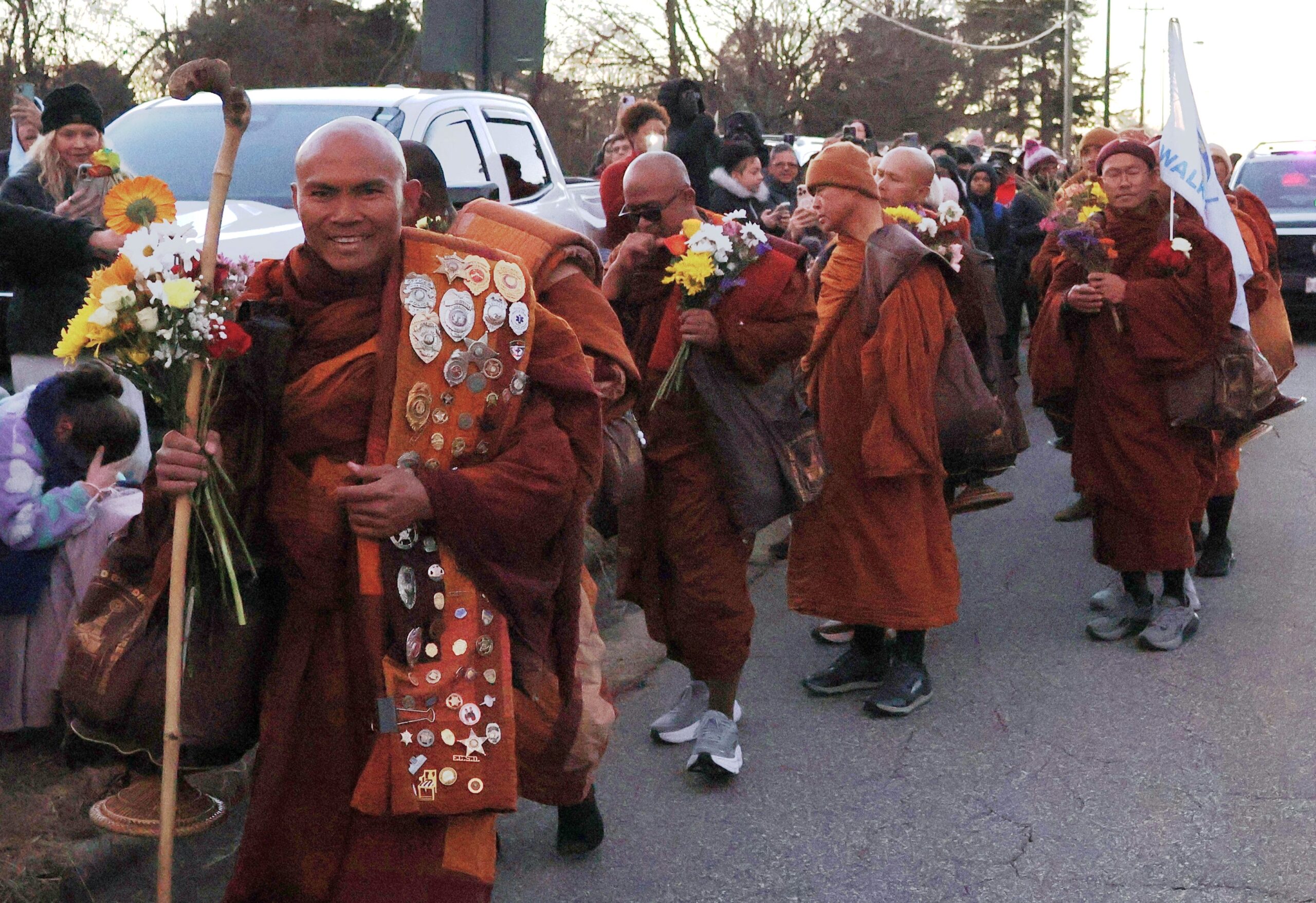
The Walk for Peace moved through cities, highways, and small towns, with monks traveling single file in traditional robes, often in silence. Supporters along the route offered meals, water, and encouragement. Some walked beside them for portionsof the journey. Others simply paused their day to watch the procession pass.
Their message did not shift depending on location. The focus remained on inner peace as a pathway toward collective healing, a principle rooted in Buddhist teaching, but shared in a way accessible to broader audiences.
Hardship Along The Journey
The physical demands of the pilgrimage were substantial.
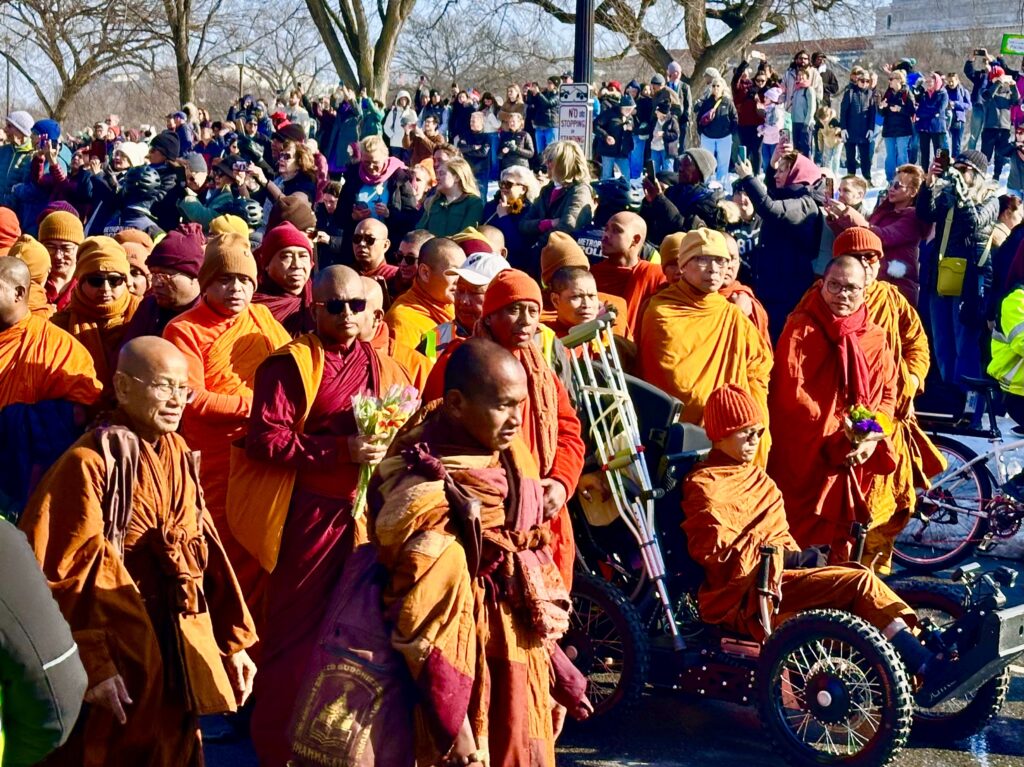
Weather conditions ranged from extreme heat to winter storms. During the walk, a vehicle accident seriously injured members of the group, including one monk who sustained life-altering injuries.
Despite setbacks, the pilgrimage continued. Moving forward reflected the same endurance the walk itself symbolized.
Arrival in Washington, D.C.
When the monks reached Washington, supporters, faith leaders, and observers gathered to mark the conclusion of the Walk for Peace.. Their route through the city included stops at interfaith institutions and national landmarks, creating space for reflection, prayer, and cultural exchange.
While the walk reached its geographic endpoint, its broader purpose, promoting mindfulness and compassion, continues through ongoing teachings and outreach.