



Why Self-care is Important to Maintain Mental Stability
Disclaimer: This is for informational purposes only! Should you or a loved one exhibit any signs of mental crisis or distress please seek professional help from a qualified Practitioner promptly! To contact the national suicide & crisis hotline just dial 988 . You can download the National Suicide & Crisis Hotline wallet card here. You can also find numerous crisis lines for any situation here.
A Real Scare
It’s easy to say to someone’s struggle that they lack caring for themselves. Consequently, most people who make that statement lack decent self-care themselves. I recently had to wonder the same thing after a very recent diagnosis of a brain aneurysm right after getting discharged from inpatient psych hospital for feelings of suicidal ideations. Furthermore, today, last year I thought I was ok. You could not tell me that today I would have the greatest blessings upon me while simultaneously having the worst health complications which in my own opinion makes any beautiful “Thug Diva” question themselves. “Who or what could be responsible for a mental decline of whom would be considered a considerably stable person?”
Who’s Fault Is It?
Well, as much as I would love to cast blame on others. The truth is no matter how much I want to cast blame on others for my mental misery I can only blame the “Superstar” of her own self-care neglect since my mind is controlled by me. Or better yet, “uncontrolled,” by me.
Maybe I loved too hard, maybe I overthought things, maybe I didn’t think enough. Whatever the case maybe I stand at the precipice of health excel or health decline and I am the reason I haven’t made self-care a priority. But why?
What is Self-Care?
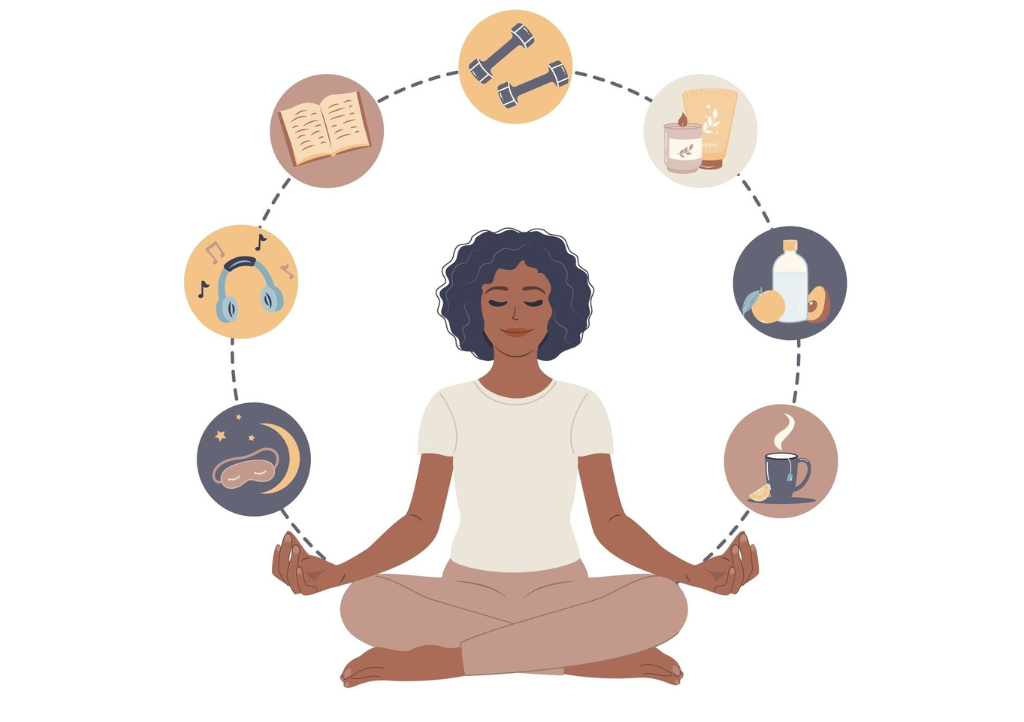
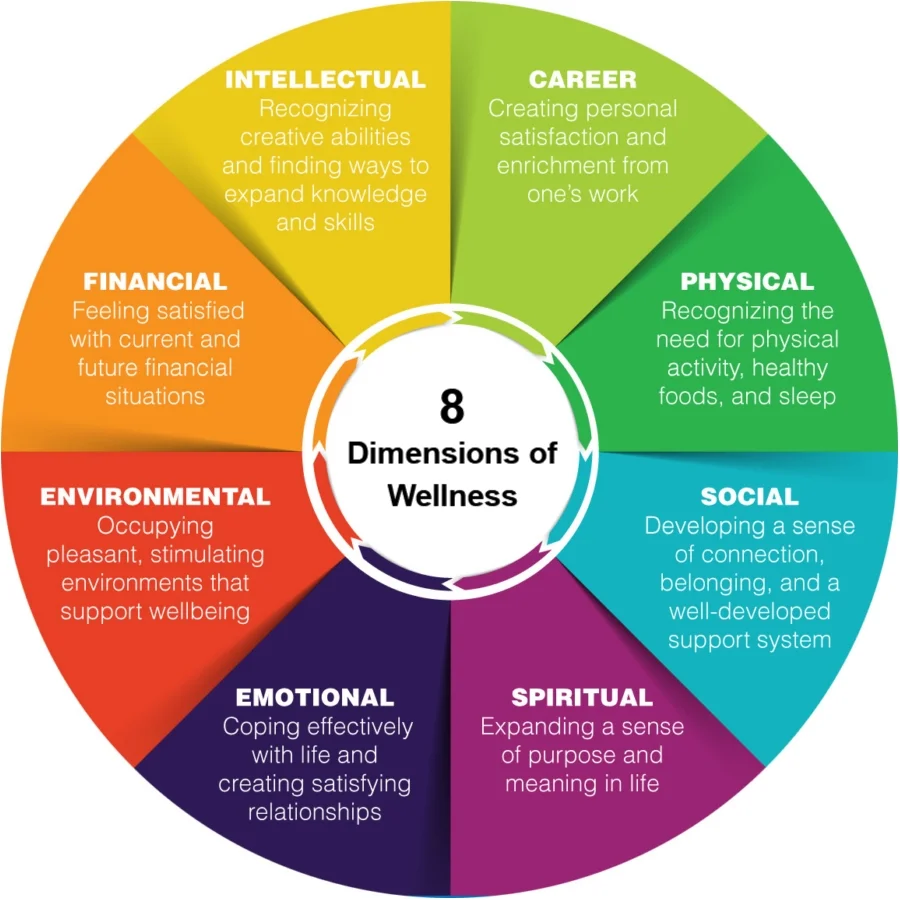
In my own experience, self-care is the epicenter of stable mental health. What is self-care? Self-care is the action a person takes daily to maintain a healthy mentality. For example, listening to music, getting up every morning to groom yourself for the day, eating healthy, exercise, positive affirmations, positive self-talk, adhering to the doctor’s recommendations for good health, doing your hair, treating yourself to a nice dinner or movie and much more!
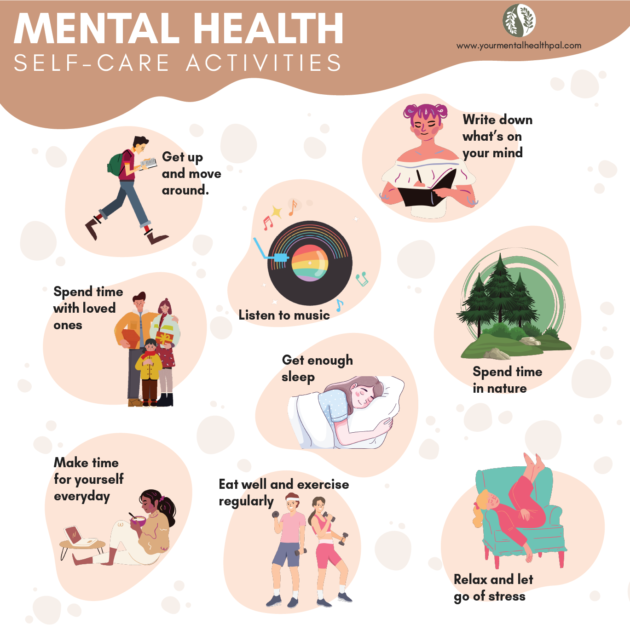
I can attest that had I been doing at least half of these recommended activities that I would not have ended up in a psych hospital contemplating suicide. The harsh reality is it is not a fix all solution, but it is a start, and it is a good thing to make a positive habit in your life.
Music (the cure for mental crisis)
Recently I had dealt with my mother who has schizophrenia. She had a severe episode which landed her involuntarily committed to inpatient psych. This was needless to say a very stressful time in my life. My Mother was spazzing on the guys outside with her paranoia and I was slowly declining. I suggested to my mother to do some Zumba exercises with me to get the endorphins flowing and develop a more positive energy. Almost immediately she became elated.


I am a Producer and DJ amongst other things, so it is not rocket science that music is my go to for my euphoric safe place. Music is so expressive that the notes are often described as happy or sad (C maj/ A min). I can guarantee that there is a song that can be played to express every emotion every felt! Meditation is often suggested as a form of self-care. The action of breathing in through the nose and out through the mouth has been an age-old method for calming anxiety and grounding techniques. Meditation as a top self-care practice is very good to have in your arsenal of crisis fighting weapons.
Music is the happy and safe space for many people seeking refuge. You don’t often see people frowning while dancing!

Here is a list of some great ways to practice self-care for FREE!
- Meditation
- Exercise
- Listen to music.
- Take a walk.
- Take a cold shower.
- Take a hot bath.
- Journaling
- Call a friend.
- Coloring
- Watch a movie.
- Make a nice dinner.
- Visit a friend.
- Go to church.
There are many ways to begin to implement self-care into your daily routine as a method of mental health crisis prevention. The most important thing to remember is your mental health crisis is NOT YOUR FAULT! Whichever method you choose remember to take care of yourself.
Warning signs of a mental health crisis in adults.
- Excessive worrying or fear
- Feeling excessively sad or low
- Confused thinking or problems concentrating and learning
- Extreme mood changes, including uncontrollable “highs” or feelings of euphoria
- Prolonged or strong feelings of irritability or anger
- Avoiding friends and social activities
- Difficulties understanding or relating to other people
- Changes in sleeping habits or feeling tired and low energy
- Changes in eating habits such as increased hunger or lack of appetite
- Changes in sex drive
- Difficulty perceiving reality (delusions or hallucinations, in which a person experiences and senses things that don’t exist in objective reality)
- Inability to perceive changes in one’s own feelings, behavior or personality (”lack of insight” or anosognosia)
- Overuse of substances like alcohol or drugs
- Multiple physical ailments without obvious causes (such as headaches, stomach aches, vague and ongoing “aches and pains”)
- Thinking about suicide
- Inability to carry out daily activities or handle daily problems and stress
- An intense fear of weight gain or concern with appearance
Warning signs of a mental health crisis in youth.
- Changes in school performance
- Excessive worry or anxiety, for instance fighting to avoid bed or school
- Hyperactive behavior
- Frequent nightmares
- Frequent disobedience or aggression
- Frequent temper tantrums
Should you or a loved one exhibit any of these concerning behaviors contact a medical professional immediately!
#GetSOM via @dj-quassy & click here for more of my content!